
“Then God said, ‘I give you every seed-bearing herb on the face of the whole earth and every tree that has fruit with seed in it. They will be yours for food.” (Genesis 1:29)
Another way you can use herbs is by decocting them in oil. This can be for culinary purposes to dress up some salad greens, or used topically to help heal cuts and scrapes, and moisturize the skin.
A few weeks’ ago I talked about using the double-boiler method to decoct herbs for medicine. Here we will use the same method but, instead of covering the herbs in the top pan with water, as we did in the previous post, we will cover them with some sort of oil.
Please do NOT use canola, sunflower, safflower, corn, or vegetable oil for this purpose; ditto for Crisco. All burn too hot and risk scorching the herbs, rendering them useless. The idea is to gently warm the oil, not fry the herbs. Olive, sweet almond, and grapeseed oils work best for this.
For those who may have missed the earlier post, if you don’t have a double-boiler, using a pair of sauce pans where one is slightly smaller than the other will suffice. You fill the larger pan about 1 1/2” – 2” with water then nestle the smaller sauce pan inside. There should be enough water in the bottom pan that the smaller sauce pan floats, but not so much that any water comes over the rim of it. You then measure your herbs into the smaller pan and, in this case, cover them with your oil of choice. Put a lid on it and slowly simmer for approximately 45 minutes, taking care that the oil doesn’t evaporate too much and the herbs do not scorch (as can happen even with these lighter oils); feel free to give them the occasional stir while they simmer, taking care to put the lid back on them as soon as you’re done. The medicinal properties will escape with the steam if the lid is left off.
As with a regular decoction, we also don’t use Teflon-coated pans, or cast iron, when making oils or salves. Both can leach into the final product. Teflon, if I remember correctly, has carcinogenic properties. It also flakes and chips and, even if new, there are chemicals in it that are best left out of either food or medicine. Cast iron is a great tool for cooking, but it can alter the medicinal properties of herbs, possibly changing their efficacy. I recommend either stainless steel, or enamel, when working with herbs.
If making an oil, simply strain the oil into a clean and sterile jar once it cools and store it in a cool, dark place until needed.
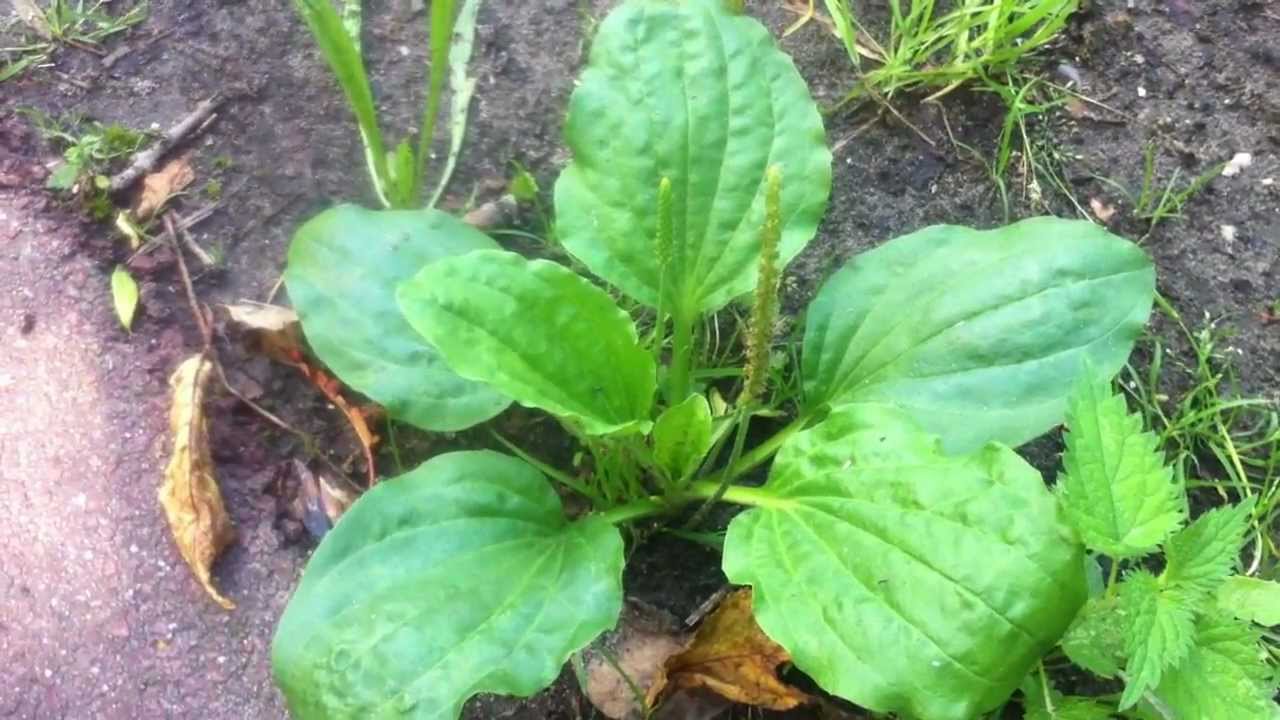
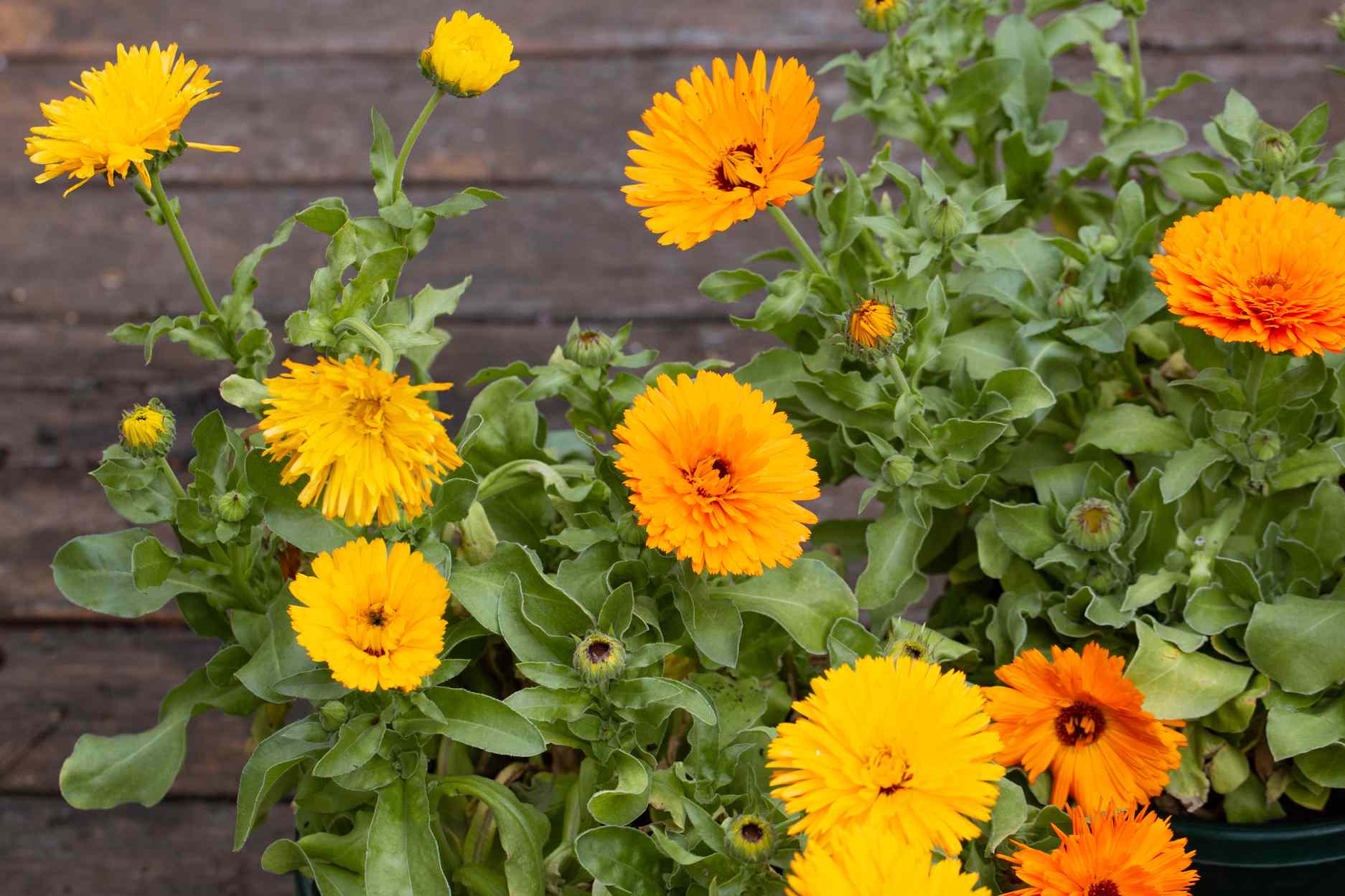
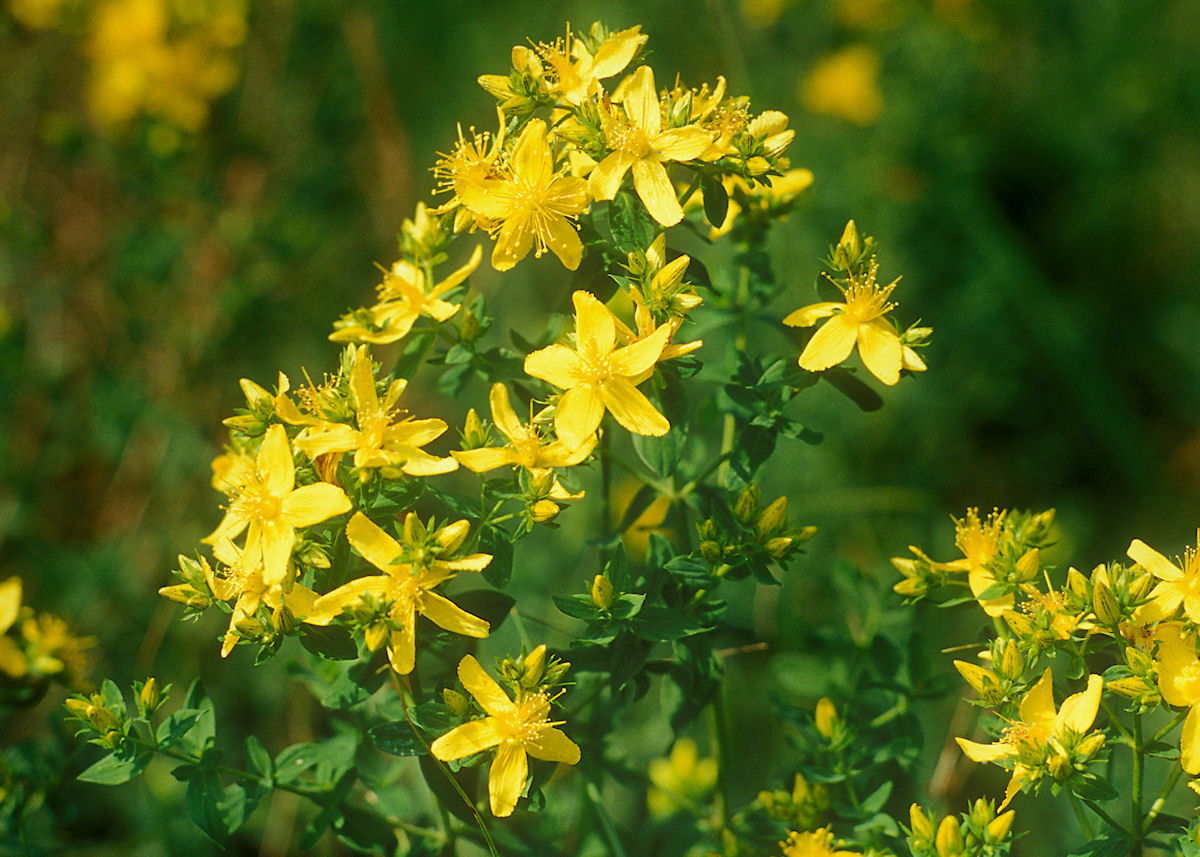
Herbs, such as plantain (not the banana-like fruit but the oft-mistaken-as-crab-grass) (Plantago major or Plantago lanceolata), are good for drawing out infection, slivers, and other foreign matter. Calendula (Calendula officinalis) works well for treating bruises, cuts and burns, as well as the minor infections they cause. St. John’s Wort (Hypericum perforatum) fights inflammation and has antibacterial properties; it’s also a good sunblock when used topically. Comfrey (Symphytum officinale) helps new skin cells grow, reducing scarring. Equal measures of each, simmered in an oil, and massaged into the skin before a shower, or bath, works as well as any spa treatment for combating dry skin, and even wrinkles, leaving your skin healthy, supple and glowing. The combination also works well for cuts, burns, scrapes, scratches, and rashes, including diaper rash, although you may want to take it a step further and make it into a salve, or ointment for this last purpose.
To turn your oil into a salve, once the oil has simmered for 45 minutes, leave it on low heat and melt approximately ¾” to 1” square of clean beeswax into the oil, stirring constantly to get a creamy consistency. Once the wax has melted completely, add a drop or two of vitamin E oil (2 capsules should suffice for an 8 oz. canning jar), stir, and pour it into clean jars (or tubes; you can make a great lip balm for chapped lips in winter this way, too).
A word of caution: do NOT pour any beeswax down your drain; you will stop it up. Do NOT wash any pans or utensils in the sink that have had beeswax melted in them; same reason. Take anything used for melting the beeswax outside and pour boiling water over it repeatedly until the wax has been scalded off. Beeswax is safe for the environment and will do no harm poured into the grass or dirt this way. Another thing to bear in mind is that beeswax is highly flammable. The little flame at the top of a candle is of little concern but, please pay close attention while heating on the stove. Put the phone down, avoid distractions. A friend of mine once burned his mother’s kitchen down because he left some beeswax melting unattended on the stove and went to answer the phone…back in the day when we still had push button and rotaries on the wall and were attached to a cord…(I’m showing my age…)
May God bless you & keep you!
PS You can modify the above salve to use for animals, too. Omit the calendula and St. John’s wort (they may lick the salve and these two should not be ingested by animals). Simply use equal parts of plantain and comfrey and follow the rest of the directions above. My Mom swears by it for our animals.

Works Cited

 The Herbal Hare Tomestead and Animal Sanctuary


Very informative! Thank you.
You’re welcome!