“Now John wore a garment of camel’s hair and a leather belt around his waist, and his food was locusts and wild honey.” (Matthew 3:4)
I see John the Baptist as more of the doomsday prepper type than a homesteader in the Bible, yet his simple lifestyle as described in Matthew 3 above serves as an inspiration to anyone who walks this path. “Simple” is the operative word. We don’t need much. We don’t need fancy gadgets or expensive anything. We need the basics of food, clothing, and shelter, and as we walk this walk, we find our tribe, our community of support. That’s important, too.
I found a member of that tribe many years ago when I worked in living history. We’ve never “hung out” together. Rare have we socialized outside of our shared living history employment, but we also share a passion for growing food and medicine, and living a simpler life. He was my mentor when I served as a volunteer docent in the herb garden there. And he taught me a lot.
This weekend, Mom, Robert and I traveled over an hour and 20 minutes (in New England, that’s a long drive…chuckle!) to listen to a talk of his about preserving the harvest without electricity. Using time-honored practices of root cellaring, fermenting, and drying, he reminded me of so much that I had learned while working in living history, but he also had some modern adaptations for those of us without a root cellar. Who knew an old Styrofoam cooler filled with damp leaves could be just as effective, if not better, than a wooden box in a basement filled with wet sand for preserving carrots and parsnips?
However, the real reason we drove all that way (Bless you, Robert, for piloting that drive!) wasn’t so much about the talk, though that was informative and interesting. Instead, it was to pick up some seeds for planting here at The Herbal Hare Tomestead (No, that’s not a typo; writer & librarian here).
You see, Rich worked for the American Chestnut Foundation (ACF) for many years helping to revive and restore the American Chestnut, which was decimated by chestnut blight, a fungal disease that spread quickly throughout our Eastern forests in the early-20th century, making it extremely difficult for the trees to reproduce, migrate and evolve. ACF has been working towards a blight-resistant American chestnut tree for many years (learn more here: https://tacf.org).
Roasted chestnuts are delicious. Though a tree nut, they taste a bit like a baked sweet potato. They’re also good for you. They’re a great source of fiber, which is good for digestion. They can help control blood sugar levels as they are low on the glycemic index. They contain antioxidants and minerals, such as magnesium and potassium, which can reduce the risk of heart disease and stroke, and manganese, which can reduce the risk of cancer. They also contain copper to strengthen our bones and give a boost to the immunity system, and are loaded with B vitamins, which can help balance our nervous system and improve our brain function. They’re also gluten-free and help reduce inflammation.
Chestnuts were an important food in generations’ past. One healthy tree can produce, on average, up to 60 lbs. of nuts per year when fully mature (at about 20 years), but they start producing as early as 3-5 years. Hence, my desire to plant some here.
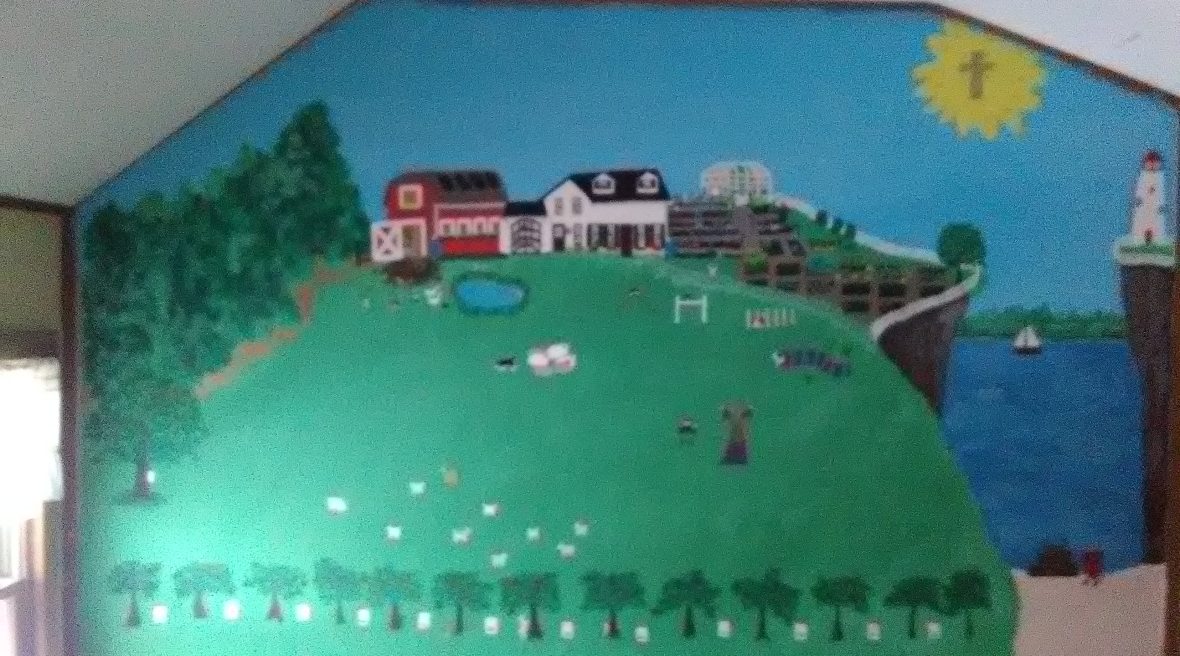
The Herbal Hare Tomestead is quite small at the moment (just under 1 acre). I don’t have room for the traditional fields of corn or wheat or rye (although I may grow a small patch of the latter at some point; more on that later). At present, I’m working towards raised beds for much of my herbs and vegetables, and a possible food forest where there is an overgrown half-acre filled with invasive species, such as Norway maples, Oriental bittersweet and Japanese knotweed. These last will have to be dealt with before planting, and maintained so they do not grow back, but the vision I have is possible with a lot of careful planning. I’m looking forward to the challenge.
I doubt I’ll be eating any locusts anytime soon (although I’ve heard they’re also delicious when roasted), but raising honey bees again is also part of the plan. And a food forest? Well, what better way to prep?
May God bless you & keep you!

 The Herbal Hare Tomestead and Animal Sanctuary