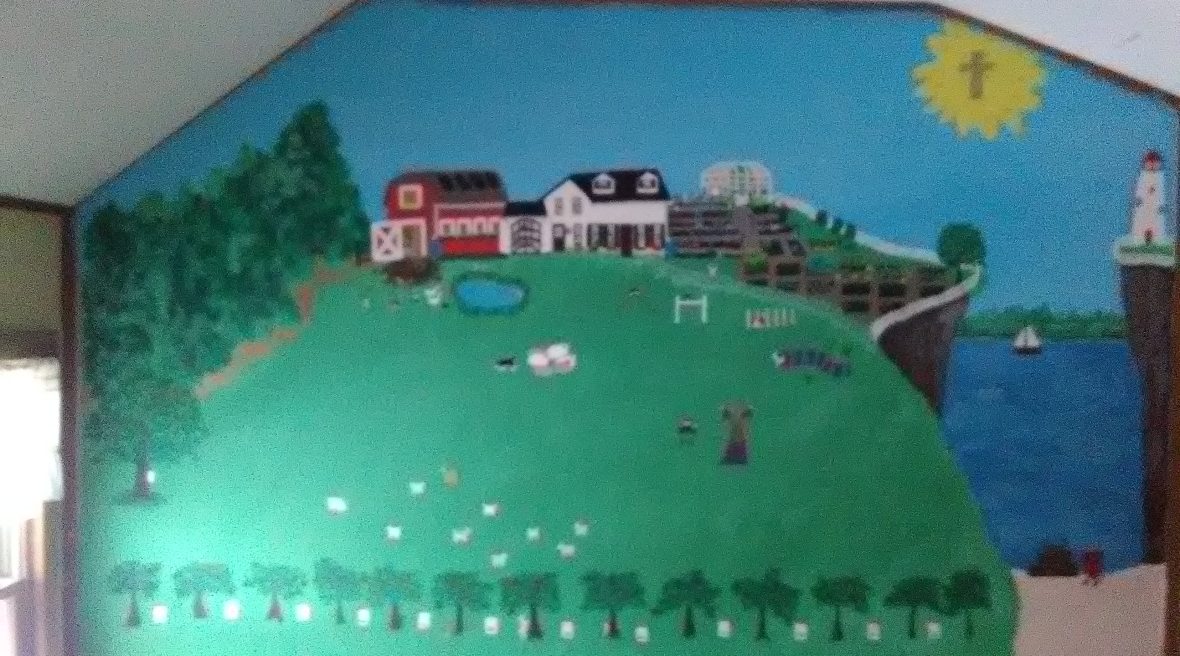

“Wisdom has built her house, she has set her seven columns; she has dressed her meat, mixed her wine, yes, she has spread her table” (Proverbs 9:1-2)
We hear of plenty of feasts in the Bible but the lowly cook, or baker, is seldom mentioned. Granted, cooking and baking is rather commonplace. Doubtless, there seemed little purpose in mentioning whether or not a feast was tasty or not when stacked up alongside of Jesus’ miracles, or the words of wisdom spoken by the prophets of old. Yet, we all must eat and drink to survive. Who among us, when given a choice, would not choose that fresh, vibrantly-leafed spinach salad over the pale, lifeless and wilted specimen from a can? And who hasn’t grumbled over a meal that didn’t come out “just right”? Though commonplace, the chemistry and magick that is cooking and baking is nothing short of a miracle in itself.
Today such miraculous wizardry is being lost to packaged, processed convenience. The result is unhealthy people and animals, and an unhealthy planet from all of the plastic wrappings. We have lost touch with our food. And that’s a sad thing.
I remember years’ ago, when I first got rid of the microwave once and for all, wanting a bowl of popcorn and finding only microwave popcorn in my larder. It actually set me into a bit of a quandary. I think that was my first real step away from processed foods. I bought a bag of old-fashioned popping corn (at a fraction of the cost of a box of microwavable popcorn!), heated some olive oil on the stove and gently shook the covered sauce pan back and forth until it all popped. The lifeless cardboard that is microwave popcorn has never been seen–or eaten–at The Herbal Hare Homestead again.
Since then, I’ve spent a number of winters learning how to cook and bake from scratch, searching through numerous cookbooks and trying new recipes; some came out well, some not so well. But I learned. Eventually, I purchased a cookbook by Alana Chernila entitled: The Homemade Pantry: 101 Things You Can Stop Buying and Start Making; it was a gold mine. Everything from a delectable recipe for baked mac n cheese to homemade marshmallow fluff. And, before any modern folks complain about the time lost in cooking, it is time much better spent than sitting before the boob tube. In fact, for me, it became a sort of “zen” time, a time to cast aside any worry or complaint and just “be”. It recharged the mental and emotional batteries…and the end results recharged me physically. Who wouldn’t feel completely blessed sitting before a roaring wood stove with a bowl of homemade lentil soup, fresh-baked rye bread and, while it came from a local package store rather than my bees, a glass of smooth mead while the snow piles up outside your window? (I haven’t tried my hand at homemade mead yet…stay tuned for future endeavors)
Microwaves, dish washers and Keurig machines are banned here at The Herbal Hare Homestead. But I still use an electric stove, toaster oven, drip coffee machine and even a bread machine. There are no plans to replace the latter once it burns out but these are the tools of modern cooking and baking from “scratch”.
Now, as I meander through 19th century cooking and baking at my job, I’m finding a new level of zen in antiquated kitchens…and discovering a whole new meaning to the phrase “cooking and baking from scratch”. Coffee doesn’t go through the drip machine–or even the percolator my grandmothers used. Raw, green coffee beans are roasted on the fire, sending out an aroma that puts the drip machine to shame; the dough is set to rise overnight in the bread box–a long wooden vessel that resembles an infant’s cradle–and then, as the fire is lit and kept roaring in the bake oven for, roughly, 3 hours before being ready for baking, is kneaded by hand and set to bake on the bricks. I am amazed at what 19th century women accomplished with little more than a fire, a kettle or two, a “spider” (skillet with legs)…and maybe some sturdy twine to dangle your meat over the flames to slow roast. They didn’t use (or need) fancy gadgets or tools, and yet, they created small miracles, small masterpieces of art everyday. Cooking and baking claimed much of a woman’s morning and early-afternoon in the 19th century (kitchen fires were typically banked after the midday meal and cold leftovers, or bread and cheese sandwiches, served as a light repast before bed). Few women worked outside the home (though factories were changing that for a younger generation of ladies) so “convenience” food was relegated to cold pies and bread, and the beans you baked overnight on Saturday to be eaten for the Sabbath. (Any “unnecessary” work was avoided on Sundays…and that included cooking and baking.) Cooking in a kitchen where all I have to do is turn a dial to get an electric “flame” seems almost like cheating now. (I wonder if 19th century clergy would consider our modern methods “work”…)
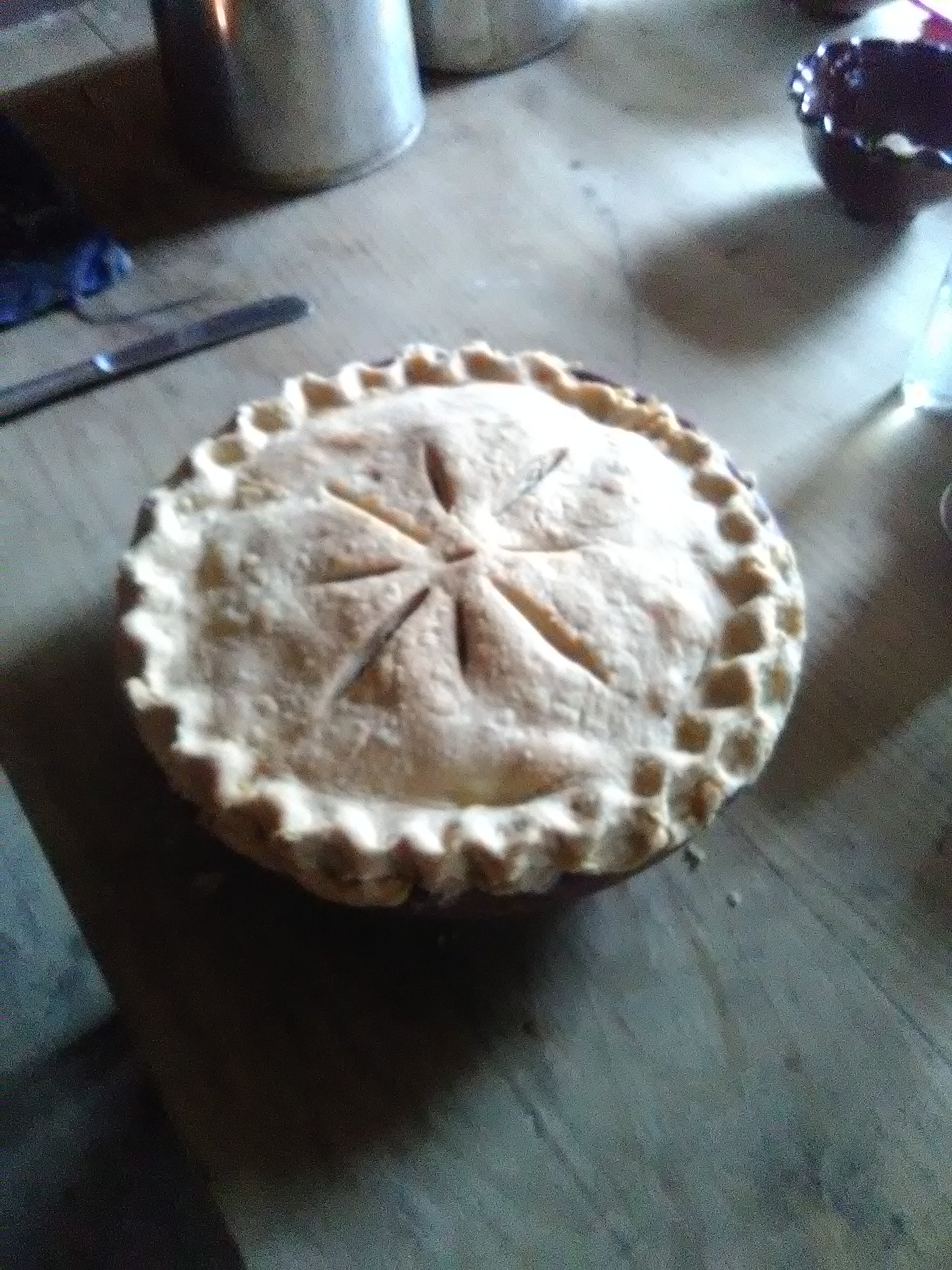
I created my own masterpiece on a 19th century hearth. This was baked in a kettle instead of a bake oven. And, while it won’t merit the term “miraculous” in any biblical terms, still, I’m claiming some bragging rights. (And, yes, I know all about the sin of pride…even we ministers have human failings…)
May God bless you & keep you!
REFERENCES
Chernila, A. (2012). The Homemade Pantry: 101 Things You Can Stop Buying and Start Making. New York: Clarkson Potter.

 The Herbal Hare Tomestead and Animal Sanctuary
Very cool. My son was 5 before we lived somewhere with a microwave. I refuse to use it… We have a dishwasher, and with four kids running around, I can’t imagine going without it. Might have to try some woodstove Baking though….
I’ve never gotten the dishwasher thing. I have to load one on occasion at work and I can’t help thinking that, if I have to scrape everything before I load it in, why not just go all the way and wash by hand? But I get the 4 kids running around; I might change my opinion on them if I had little ones of my own. Thank you for sharing…and for taking the time to comment! God bless you & yours!